Articles · · By Costa Rica Tree House Lodge
The two coasts compared
| Southern Caribbean coast | Pacific coast | |
|---|---|---|
| Main places | Cahuita, Puerto Viejo, Punta Uva, Manzanillo | Guanacaste, Nicoya, Manuel Antonio, Osa |
| Places to stay | Small hotels, lodges and private houses | Everything from hostels to large all-inclusive resorts |
| Driest months | February to April, September and October | December to April |
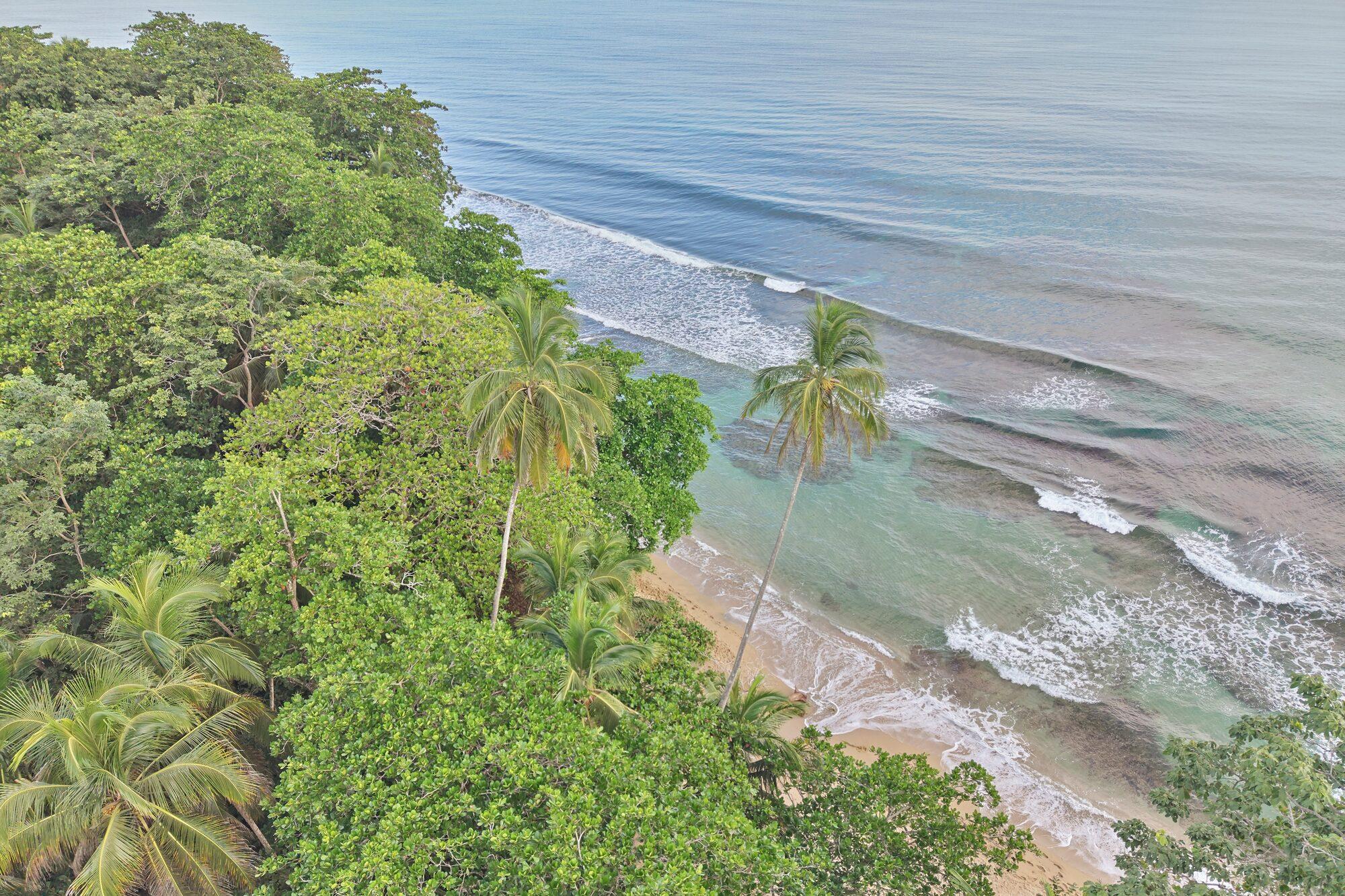
| Beaches | Palm-lined bays, reef, forest to the sand | Long surf beaches, wide bays, dramatic sunsets |
| Culture | Afro-Caribbean and Bribri | Ranching and surf towns |
| Getting there | 4 to 5 hours by road from San José | Many areas within 1 to 3 hours of an international airport |
| Crowds | Quiet, even in high season | Busy in the popular areas from December to April |
Neither side is better. They are different trips, and many travellers with two weeks do both.
Weather: the coasts run on different calendars
This is the difference that surprises people most. The Pacific has a clear dry season from December to April and a rainy season from May to November.
The southern Caribbean has no long dry season, but it has two drier windows. February to April is usually the calmest stretch. September and October, the wettest months on the Pacific, are often the stillest and clearest of the Caribbean year. If you can only travel in September or October, the Caribbean is the coast to choose.
Beaches and sea
Pacific beaches are bigger and more varied, with famous surf and sunsets over the water. The sea is often rougher, and the best-known beaches are busy in season.
On the southern Caribbean the beaches are smaller and greener. Coral reef protects bays such as Punta Uva, which makes for calm, clear swimming on good days, and the rainforest starts at the high-tide line. Sunrise is over the sea here, not sunset.
Wildlife and culture
Both coasts are rich in wildlife. What sets the Caribbean apart is how close it is: sloths, howler monkeys, toucans and iguanas live in hotel gardens and along the road, not only inside the parks.
The culture is the other difference. The Caribbean coast was settled by families from Jamaica and other islands, and the Bribri people live in the hills behind it. You hear English-based Creole and calypso, and you eat rice and beans cooked in coconut milk. Our article on Afro-Caribbean culture in Puerto Viejo tells that story.
Who should choose the Caribbean side?
- Travellers who prefer a house or a small lodge to a resort.
- Anyone visiting in September or October.
- Wildlife lovers who want animals outside the door.
- Couples and families looking for calm swimming and quiet beaches.
- People who have already seen the Pacific and want the other Costa Rica.
Choose the Pacific if you want a short transfer from the airport, a large resort with everything on site, or guaranteed sun over Christmas and New Year.
Where to stay on the Caribbean side
Our pick is Costa Rica Tree House Lodge in Playa Chiquita, eight minutes south of Puerto Viejo de Talamanca. It is a private 10-acre estate with seven hand-built houses, about 300 metres of Punta Uva beachfront reached through its own gardens, and the 5-leaf CST sustainability rating.
Start with the Tree House, built around a living tree, or the Beach House, about 80 metres from the sand. The location page explains how to get here, and you can check availability for your dates.
Frequently asked questions
Is the Caribbean or Pacific side of Costa Rica better?
Neither is better; they suit different trips. The Pacific has large resorts, short airport transfers and a dry season from December to April. The southern Caribbean is quieter and greener, with small lodges, Afro-Caribbean culture and its best weather in February to April and September to October.
Which side of Costa Rica has the calmer water?
It depends on the beach. The Pacific generally has bigger surf. On the southern Caribbean, reef-protected bays such as Punta Uva are among the calmest swimming spots in the country, especially from February to April and in September and October.
Can you visit both coasts in one trip?
Yes, with ten days or more. A common route is San José, then the Caribbean coast, then Arenal or the central highlands, then the Pacific. The drive between the two coasts takes most of a day, so plan a stop in between.
Is the Caribbean side of Costa Rica safe?
The southern Caribbean is a relaxed area that welcomes many visitors every year. Take the same care as anywhere: do not leave valuables on the beach or in a car, use a bike lock, and take a taxi at night between the beaches and town.
Stay at Costa Rica Tree House Lodge
Seven hand-built houses on a private 10-acre estate between Playa Chiquita and Punta Uva, with about 300 metres of beachfront reached through the lodge's own gardens. Reception is open from 8am to 8pm.
- Beach House: Two-storey Caribbean house, king bed upstairs, eighty meters from the sea.
- Beach Suite: Three bedrooms, private rooftop, Gaudí mosaic bathroom, six guests.
- Crystal House: Walls of recycled glass bottles, a majestic Sangrillo tree, hot tub, mini-golf.
- Garden House: A bamboo house hidden in fifty species of palm. Modern wing or whole house.
- Tree House: Sleep in the trees. Built around a 100-year Sangrillo on stilts, reached by a gently-climbing suspension bridge.
- The School Bus: A real 1980-era American school bus, parked in the jungle. Kitchen up front, A/C king in back.
- The Bungalow: A small house for one or two. Twin beds join as king. 150m from the beach.